






What Is PVD Zinc Coating: Process and Benefits
Picture this: you’re running a production line, and a critical component fails because rust sneaked in like an uninvited guest. Downtime, repairs, and frustrated customers follow. Now, imagine a solution that shields your parts like a superhero’s cape, looks sharp, and keeps regulators off your back. That’s PVD zinc coating—a high-tech process that’s quietly transforming manufacturing. As your friendly guide, I’m here to walk you through how this vacuum coating magic works, why it’s a game-changer for industries like automotive and aerospace, and how it can save you headaches (and dollars). Let’s dive into the world of physical vapor deposition and see why it’s the coating solution you didn’t know you needed.
Getting to Know PVD Zinc Coating
What’s PVD Coating
Think of physical vapor deposition (PVD) as a high-tech spray painter working in a sci-fi cleanroom. Instead of dunking parts in a chemical bath like old-school electroplating, PVD uses a vacuum coating machine to turn zinc into a fine mist that settles onto your parts in a razor-thin, super-strong layer. This zinc coating protects against rust, boosts durability, and adds a polished look—without the messy waste of chrome plating or chemical vapor deposition.
Unlike traditional zinc plating, which can be like slathering on a thick layer of paint, PVD is precise, like an artist brushing on a masterpiece. It’s eco-friendly, reliable, and perfect for industries where performance matters. Whether you’re an engineer tweaking designs or a procurement manager crunching numbers, PVD zinc coating is your ticket to better parts and fewer worries.
The Science Made Simple
Let’s break it down without getting lost in jargon. In a vacuum coating machine, zinc (or a zinc alloy, like zinc-magnesium for extra toughness) is heated or zapped until it turns into a vapor—like steam rising from a hot cup of coffee. This vapor floats in a vacuum chamber (think of a super-clean, airless bubble) and sticks to your part, forming a thin film deposition as thin as 0.5–5 micrometers. That’s thinner than a human hair but tough enough to fend off rust and wear.
Zinc is a natural rust-fighter because it acts like a loyal bodyguard, sacrificing itself to protect the metal underneath, even if scratched. Add in alloys like magnesium polyphosphate, and you get a coating as hard as titanium nitride (think 1,800–2,500 HV), rivaling diamond-like carbon coating for durability. It’s science doing the heavy lifting so your parts last longer.
How PVD Zinc Coating Gets the Job Done
The PVD coating process is like a well-choreographed dance—every step matters, and the result is flawless. Here’s how it happens in a vacuum coating machine:
Step 1: Cleaning Up the Act
Before coating, your part needs to be squeaky clean. Any speck of oil or dust is like sand in a sandwich—it ruins everything. Using techniques like plasma-enhanced chemical vapor deposition cleaning or ultrasonic baths, the substrate (say, a steel gear or aluminum bracket) gets a spa treatment to ensure the zinc coating sticks tight.
Step 2: Setting the Stage in the Vacuum Chamber
The cleaned part goes into a vacuum coating machine, where the air is sucked out to create a near-perfect vacuum (think 10⁻³ to 10⁻⁶ Torr, or less air than outer space). This ensures no pesky particles mess up the coating. Foxin’s vacuum process engineering makes this step as smooth as a sunny day, setting the stage for a perfect finish.
Step 3: Turning Zinc into Magic Mist
Now, the zinc takes center stage. Using sputtering (where high-energy particles blast zinc atoms off a target) or thermal evaporation (like boiling zinc into a cloud), the material turns into a vapor. It’s like watching a magician make solid metal disappear into thin air, ready to coat your part with precision.
Step 4: Sticking the Landing
The zinc vapor drifts to your part and settles as a thin, even film. Picture snowflakes gently blanketing a field—that’s how the zinc coating forms, with deposition rates (0.1–1 µm/min) carefully controlled for uniformity. Unlike the blotchy results of chemical vapor deposition ceramics, PVD delivers a smooth, defect-free layer.
Step 5: Polishing and Checking the Work
After coating, some parts get a quick annealing to boost hardness or a polished stainless steel finish for extra shine. Then, it’s time for quality control—tools like X-ray fluorescence (XRF) or scanning electron microscopy (SEM) check that the coating is perfect, meeting specs for thickness and adhesion. It’s like giving your part a final exam before it hits the production line.
Why PVD Zinc Coating Is Your New Best Friend
So, why should you care about PVD zinc coating over, say, black chrome or traditional zinc plating? Let’s talk about the perks that make it a no-brainer for your next project.
Rust Protection That Packs a Punch
Rust is the enemy of every engineer, but PVD zinc coating is like a suit of armor. In salt spray tests, PVD-coated parts outlast electroplated ones by up to three times, surviving 1,000+ hours in salty, corrosive environments. Unlike chrome plating, zinc forms a sacrificial layer, protecting your part even if it takes a hit. It’s like having a backup plan built into your coating.
Eco-Friendly Without the Guilt
Tired of dealing with the toxic sludge from electroplating? PVD is a dry process, meaning no hazardous chemicals or waste. It’s like switching from a gas-guzzling car to an electric one—better for the planet and compliant with regulations like EU REACH. With vacuum coating, you’re doing right by the environment and your bottom line.
Tough as Nails, Pretty as a Picture
PVD zinc coatings are hard—really hard. Alloyed with titanium nitride coating or manganese phosphate coating, they can hit 2,000 HV, shrugging off scratches and wear like a champ. Plus, they look good, with finishes from sleek gold tone to matte that make your parts stand out. Whether it’s a car’s trim or a gadget’s casing, PVD delivers durability with style.
Saving You Money in the Long Run
Sure, vacuum coating machines cost more upfront than chemical vapor deposition equipment, but the savings add up. PVD’s precision cuts material waste, and its durability means fewer repairs. Picture this: a gearbox coated with PVD zinc lasted 30% longer in field tests, saving a manufacturer thousands in replacements. That’s ROI you can take to the bank.
Where PVD Zinc Coating Shines
PVD zinc coating isn’t just a lab trick—it’s a workhorse across industries. Here’s how it’s making waves.
Automotive: Built to Last
From steel strips to engine parts, PVD zinc coating keeps rust at bay and adds a premium look. A marine vehicle maker switched to PVD-coated gears and saw a 40% drop in failures, thanks to top-notch corrosion resistance. Exterior trim gets a boost with anti-reflective finishes, making cars look as good as they perform.
Aerospace: Flying High with Durability
In aerospace, every gram counts. PVD’s thin films (0.5–2 µm) protect turbine blades and landing gear without adding weight, cutting friction and boosting fuel efficiency by up to 5% in some cases. Whether it’s high-altitude flights or humid runways, PVD coating keeps parts reliable in tough conditions.
Electronics and Beyond
Your smartphone’s sleek, scratch-proof casing? Probably PVD. Zinc coating protects connectors and switches in electronics, ensuring they work flawlessly while looking sharp in goldtone. From medical devices to industrial tools needing diamond-like coating service toughness, PVD delivers.
Why Foxin Is Your Go-To for PVD Zinc Coating
Need a partner to bring PVD zinc coating to your production line? Here’s why Foxin’s got your back.
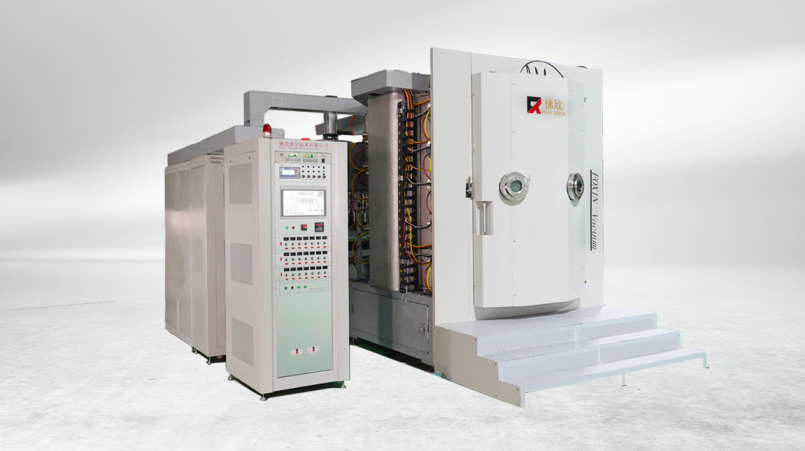
Top-Notch Vacuum Coating Machines
Foxin’s vacuum coating machines are like the Swiss Army knives of coating tech, using magnetron sputtering and ion plating to nail the perfect zinc coating. Need an anti-reflective coating for optics or a DLC coating for tools? Our customizable gear has you covered.
Expertise You Can Count On
With over a decade in physical vapor deposition, Foxin’s team knows thin film deposition like the back of their hand. We’re not just selling machines—we’re offering solutions, with expert advice to make your production smoother than a polished stainless steel finish.
Green Today, Thriving Tomorrow
Foxin’s vacuum process engineering is all about sustainability. Our PVD coating process skips the nasty chemicals, helping you meet global eco-standards without breaking a sweat. It’s performance with a conscience.
Wrapping It Up
PVD zinc coating is like giving your parts a superpower—rust-proof, tough, and eco-friendly, all in one sleek package. Whether you’re building cars, planes, or gadgets, this advanced coating technique saves you time, money, and stress. And with Foxin’s coating machines, you’re not just getting a coating—you’re getting a partner.
Ready to level up your manufacturing? Swing by our website or drop our team a line to explore custom PVD coating solutions. Let’s make your parts tougher, greener, and ready to shine.