






Why PVD Finish Is the Best Choice for Stainless Steel Surfaces
Stainless steel is a true all-star, showing up everywhere from kitchen faucets to industrial molds, thanks to its strength, corrosion resistance, and mirror-like shine. Want to make it even tougher and flashier? PVD coating is your go-to trick! This tech uses a PVD coating machine to wrap stainless steel in a thin film coating that’s insanely hard, corrosion-resistant, and can rock cool colors like gold or black. Industry trends in 2025 show PVD is the king of stainless steel surface treatments. Curious why PVD is such a game-changer? Let’s dive into its superpowers!
PVD Equipment: Stainless Steel’s Power Factory
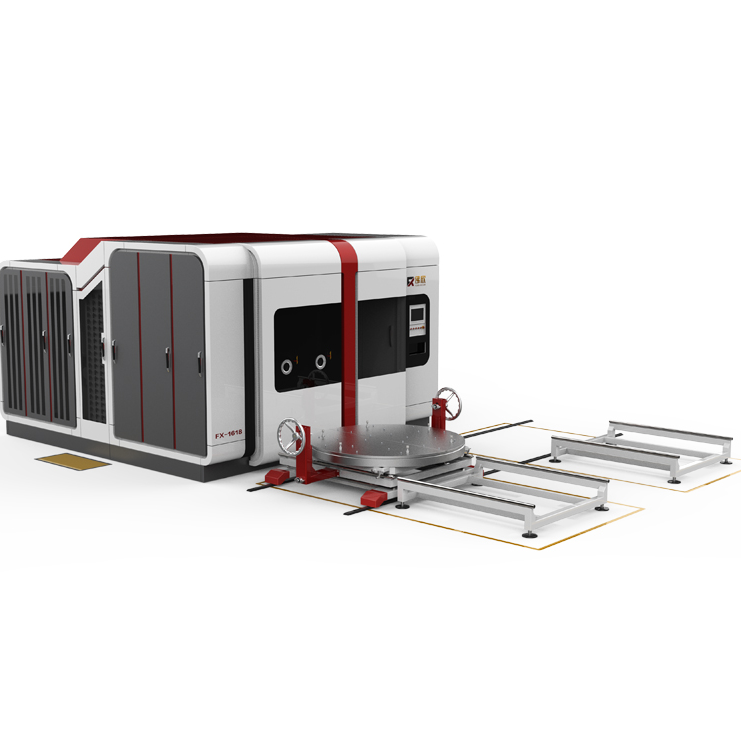
A PVD coating machine is like a high-tech spray can, working its magic in a vacuum coating technology setup. It turns materials like titanium or zirconium into a fine mist that evenly coats stainless steel surfaces. This thin film, just 0.3 to 5 microns thick, makes faucets hard as nails and shiny as ever. Want your stainless steel hardware to look stunning and last a decade? PVD equipment is the answer!
Stainless Steel’s Strengths & Tiny Flaws
Why’s stainless steel such a hit? With 10-20% chromium, it forms a natural protective layer for corrosion resistance. Its high strength and smooth surface make it perfect for faucets, tools, and dies. But it’s not flawless: it can scratch easily, and humid spots might cause minor rust. A PVD finish acts like a super-tough jacket, using ion assisted deposition to stick tightly to the surface, wiping out those issues.
How PVD Upgrades Stainless Steel
PVD equipment uses techniques like magnetron sputtering or arc evaporation coating in a vacuum chamber (at 10^-3 to 10^-5 Pa pressure) to vaporize materials and deposit them onto stainless steel. This thin film deposition bonds perfectly with stainless steel’s chromium layer, boosting scratch resistance and corrosion resistance while giving hardware a dazzling decorative stainless steel coating. Picture your kitchen faucet gleaming in a busy kitchen, easy to wipe clean and always looking sharp!
Why Choose PVD Equipment
- Tough as Nails: Hardness hits HV1500-3000, so scratches are history.
- Eco-Friendly: No nasty chemicals, aligning with 2025’s sustainable coating process trends.
- Stylish Vibes: Pick gold, black, or rose gold for a high-end decorative metal finish.
Four Big Wins of PVD Coating
Why is PVD surface coating the perfect match for stainless steel? It outshines other methods in hardness, corrosion resistance, looks, and eco-friendliness. Check out its four superpowers that’ll make you a PVD fan!
1. Super Hard, No More Scratches
Stainless steel looks sleek but can scratch easily. PVD coating boasts hardness up to HV1500-3000, way tougher than electroplating. It’s like invisible armor for stainless steel surface protection, making tools and molds crazy durable and ready for daily wear and tear!
2. Corrosion Resistance That Fights Off Moisture and Salt
Stainless steel’s chromium layer handles corrosion well, but it can struggle in coastal or acidic environments. PVD coating uses multi-layer thin film deposition to beef up protection, blocking moisture and salt with its chemical resistant coating. In 2024, hotels in coastal areas used PVD on stainless steel hardware, keeping it shiny for three years and saving big on replacement costs with its long-term coating performance!
3. Stunning Looks for a High-End Vibe
PVD can deck out stainless steel in gold, black, or even rainbow hues with color coating technology PVD. From bathroom hardware to watch cases, it takes style to the next level. Picture a stainless steel door handle gleaming in a hotel lobby, looking classy and upscale!
4. Green and Budget-Friendly
The PVD process, with its vacuum deposition durability, skips harmful chemicals for an environmentally friendly coating. It’s energy-efficient too, using 20% less energy than electroplating per 2025 industry trends. Coating stainless steel with PVD saves money and hassle. Who wouldn’t love that?
PVD vs. Other Methods: Why PVD Rules for Stainless Steel
PVD metal coating outshines CVD, electroplating, and ceramic coatings on stainless steel. This comparison shows why PVD is the ultimate match for stainless steel!
| Feature | PVD Coating | CVD Coating | Electroplating | Ceramic Coating |
|---|---|---|---|---|
| Hardness | HV1500-3000 | HV2000-2500 | HV500-1000 | HV800-1200 |
| Corrosion Resistance | Excellent | Good | Fair | Moderate |
| Eco-Friendliness | Non-toxic eco-friendly | Chemical waste | Heavy metal pollution | Moderate |
| Color Options | Wide variety | Limited | Single (silver) | Limited |
| Impact on Stainless Steel | Low temperature coating process preserves properties | High-temperature coating issues damage structure | Electroplating limitations cause weak adhesion, prone to peeling | Limited durability coating lacks wear resistance |
PVD vs. CVD: Gentle on Stainless Steel
CVD, or chemical vapor deposition, uses high temperatures of 800-1000°C, which can mess up stainless steel’s crystal structure and weaken its strength, causing stainless steel structural damage. PVD, or physical vapor plating, works at a cooler 200-500°C low temperature coating process, keeping stainless steel’s properties intact and making it ideal for complex hardware with great stainless steel coating compatibility.
PVD vs. Electroplating: Stronger & Greener
Electroplating sticks poorly to stainless steel, flaking off in humid conditions due to electroplating peeling issues, and it uses heavy metals that harm the environment, raising environmental coating concerns. PVD, using ion plating equipment, relies on ion bombardment for super-strong adhesion strength of PVD coating, delivering uniform coating quality that lasts 10-15 years with a long-lasting PVD finish.
PVD vs. Ceramic Coating: Better Looks
Ceramic coatings are dull in color and lack wear resistance, falling short for stainless steel’s decorative needs with limited aesthetic coating. PVD decorative coating offers vibrant choices like gold or black, turning stainless steel hardware into a luxury architectural coating that screams high-end.
PVD Applications on Stainless Steel
PVD coating machinery makes stainless steel shine across industries with top-notch stainless steel coating performance. Here are some key uses that show just how versatile PVD can be!
Home Hardware
PVD coating for kitchen sinks keeps stainless steel faucets and door handles glossy for years with a durable decorative finish. Picture your kitchen faucet staying shiny in a humid environment, wiping clean like it’s brand new. In 2024, high-end homes in coastal areas used PVD on stainless steel hardware, staying pristine for three years and slashing maintenance cost reduction.
Automotive Parts
PVD coating for automotive parts strengthens stainless steel exhaust pipes and trim, handling high temperatures and corrosion with a high temperature coating process. Your car’s PVD-coated stainless steel parts stay rock-solid and stylish, even in scorching heat or salty conditions.
Medical Devices
PVD coating for medical devices boosts stainless steel surgical tools and implants with high cleanliness coating. In 2025, PVD-coated stainless steel medical tools last longer, cutting down replacement costs with extended tool life.
Industrial Tools
PVD coating for tools and dies ramps up stainless steel mold hardness using hard coating technology. On high-intensity production lines, PVD-treated stainless steel molds resist wear, making efficiency soar!

Top PVD Coating Types
A PVD machine can apply a range of specialized coating solutions to stainless steel, each with its own unique strengths. Here are the four hottest types in 2025!
TiN Coating
Titanium nitride coating shines with a golden glow and boasts incredible hardness thanks to TiN coating technology. It’s perfect for stainless steel tools or faucets, offering tool coating longevity. Your hardware gets a tough, stylish edge that stands out!
CrN Coating
Chromium nitride coating has a sleek silver-gray look and top-notch corrosion resistance PVD coating. It’s ideal for stainless steel medical equipment, ensuring medical coating solutions that hold up in damp environments without a hitch.
ZrN Coating
Zirconium nitride coating handles high temperatures like a champ, making it great for automotive parts coating on stainless steel. Its golden sheen also gives furniture hardware coating a luxe, high-end vibe.
DLC Coating
Diamond-like carbon, or DLC coating process, delivers a slick black low friction PVD layer. It’s a go-to for stainless steel mechanical component coating or watch cases. In 2025, black DLC coating is taking the stainless steel watch market by storm!
Buying PVD Equipment: A Practical Guide
Ready to get a PVD coating machine for your stainless steel projects? Here’s a handy guide to help you pick the perfect coating machine!
Know Your Needs
- Material Type: Are you coating stainless steel, aluminum, or plastic?
- Production Scale: Small batches? Go for a compact machine. Big volumes? Choose an inline PVD coating system.
- Coating Type: Need TiN, CrN, or DLC? Pick the right magnetron sputtering target materials for your custom PVD coating service.
Equipment Features
- Vacuum System: A high vacuum coating system ensures high-purity coatings.
- Automation: An automation coating process speeds up production and cuts down on coating cycle time.
- Space Requirements: A compact PVD coating machine is great for smaller factories, saving valuable floor space.
Budget and Maintenance
The PVD coating machine price varies widely. Smaller units might cost tens of thousands, while larger ones can hit hundreds of thousands. When picking PVD machine suppliers, look for those offering solid coating machine maintenance support to keep things running smoothly.
Check Coating Quality
Make sure the equipment supports multi-layer thin film deposition and ion assisted deposition for strong adhesion strength of PVD coating and uniform film thickness. Top-tier cathodic arc deposition equipment can produce 0.3-5 micron films, perfect for stainless steel!
FAQs
Is PVD Equipment Expensive?
PVD coating machinery has a hefty upfront cost, but the long-lasting PVD finish and low maintenance make it a cost-effective coating solution. Coating stainless steel hardware with PVD saves enough on replacements to make you smile!
PVD vs. CVD: Which Is Better for Stainless Steel?
PVD’s low-temperature process preserves stainless steel coating compatibility and is eco-friendly metal coating at its best. CVD’s high temperatures can weaken stainless steel strength, making it less ideal for complex hardware.
How Do You Maintain PVD Equipment?
Regularly clean the PVD vacuum chamber, check sputtering targets, and keep the vacuum pump running smoothly. In 2025, automated systems make maintenance a breeze!
What Colors Can PVD Coatings Have?
PVD offers stainless steel colors like gold, black, and rose gold. In 2024, rainbow PVD coating became a huge hit for PVD coating jewelry!