






PVD Metal Processes: Optimizing Your Coating Solutions
Superior durability and performance are vital in modern manufacturing. Physical Vapor Deposition (PVD) is a key technology for applying advanced coatings that turn ordinary surfaces into high-performance components. This method forms an ultra-thin, durable layer on materials, greatly enhancing their properties. To boost your products’ longevity and appearance, start by understanding the PVD metal process.
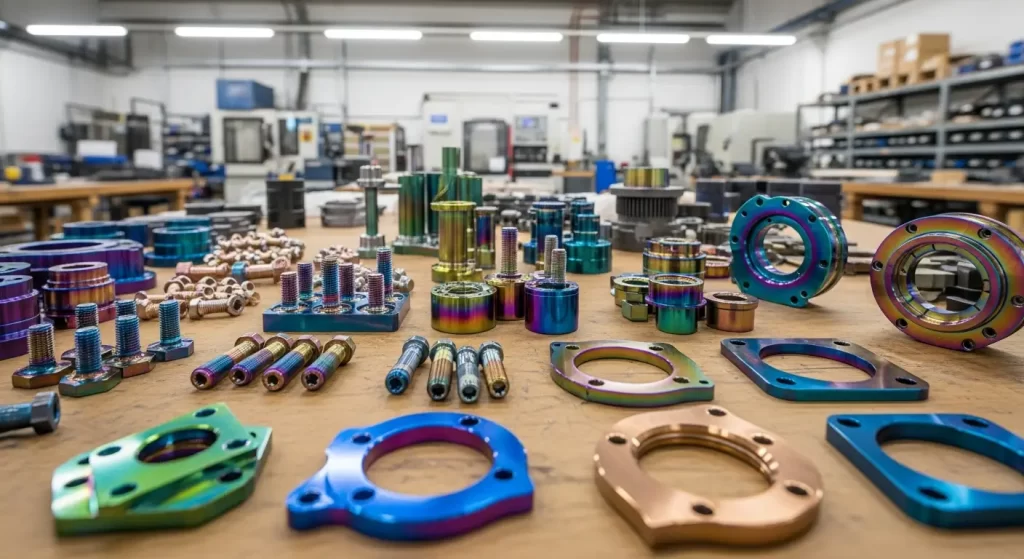
Overview of PVD Metal Processes and Thin Film Deposition
Physical Vapor Deposition encompasses a variety of techniques all performed within a high-vacuum chamber. These PVD processes, including chemical vapor deposition (CVD), are designed to transform a solid material into a vapor, transport it across the chamber, and then condense it onto a substrate to form a thin film. This method is incredibly versatile, working with a wide range of materials. The cost range for applying PVD coatings to metals can vary depending on factors such as coating type, substrate size, and volume; typically, prices range from $2 to $10 per square foot for standard applications, but specialized coatings or small production runs may have higher costs.
The core idea is to create coatings at an atomic level using techniques like laser deposition, ensuring exceptional adhesion and uniformity. Let’s explore what PVD metal coating truly is and the key equipment that makes these advanced deposition techniques possible.
What Is PVD Metal Coating? Understanding Physical Vapor Deposition
A highly specialized process, physical vapor deposition (PVD) entails the transformation of solid materials into vapor, which then condenses onto a substrate, forming a thin film. This meticulous coating technique, including metal vapor deposition, is employed to enhance surface attributes like wear resistance, corrosion resistance, and aesthetic appeal. Among the various methods under the PVD umbrella, thermal evaporation and sputtering are well-known for their effectiveness in achieving consistent film thickness and uniformity.
The process utilizes a vacuum chamber to create an environment devoid of gas molecules, enabling the free movement of vaporized atoms. Target surfaces, ranging from metals like pvd stainless steel to ceramics, benefit from the high purity and adhesion properties imparted by PVD coatings. This versatility positions PVD as an optimal choice for multiple industries, including aerospace, medical devices, and decorative applications.
Key Equipment: Vacuum Coating Machine and Sputtering Systems
The success of any PVD process relies on specialized equipment, mainly the high vacuum vacuum coating machine. Its vacuum chamber prevents contamination by air and gas molecules, enabling vaporized material to reach the target surface without unwanted reactions.
Inside the chamber, various systems deposit thin films, including the deposited film techniques:
- Sputtering Systems: Use plasma to dislodge atoms from a source material onto the substrate.
- Evaporation Systems: Vaporize coating material with heat or electron beams.
- Arc Deposition Systems: Use high-power electric arcs to blast material from a target.
- Substrate Holders: Secure parts for uniform coating.
Core Methods in PVD: Multi-Arc Ion Plating and RF Sputtering
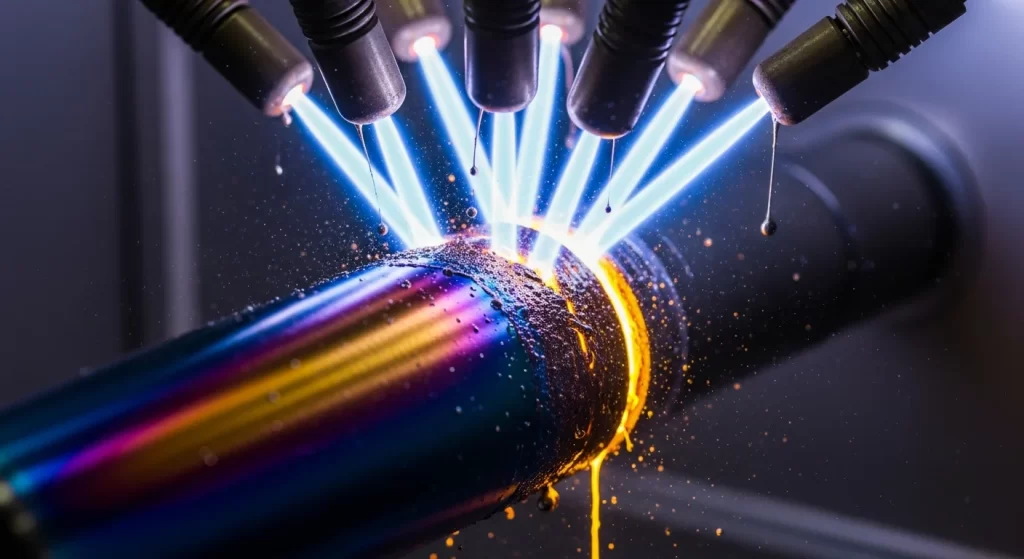
The PVD family includes several distinct deposition techniques, including sputter deposition, each with unique mechanisms and applications. Two of the most prominent methods are multi-arc ion plating, also known as cathodic arc deposition, and RF sputtering. Both utilize a plasma environment to generate and deposit the coating material but achieve it in different ways.
These core methods offer manufacturers flexibility in choosing the right PVD process based on the desired coating properties and pure metal substrate materials. We will now look at how each of these techniques operates.
How Multi-Arc Ion Plating Operates for Metal Surfaces
Multi-arc ion plating, or cathodic arc deposition, is a powerful PVD coating method. A high-power electric arc vaporizes the target material, producing a highly ionized plasma. These charged ions are accelerated toward the substrate, bombarding it with energy to create a dense, well-adhered coating. This technique is ideal for making hard, durable coatings on metal surfaces, commonly used for tools and components needing high wear resistance. Another method, electron beam evaporation, is also significant in this field.
RF Sputtering Technology: Mechanism and Advantages
RF sputtering is a versatile thin film deposition technique that addresses a key limitation of standard DC sputtering. The “RF” stands for Radio Frequency, which refers to the use of an alternating electric field. This is particularly useful for sputtering non-conductive or insulating materials like oxides and nitrides.
In this sputtering process, the alternating field prevents charge from building up on the target surface, which would otherwise halt the deposition. The plasma’s energetic ions strike the target with sufficient kinetic energy to eject atoms, which then travel and deposit onto the substrate.
The advantages of RF sputtering include:
- Versatility: Capable of depositing a wide array of materials, including metals, ceramics, and composites.
- Stability: Maintains a stable sputtering process for insulating targets, preventing “target poisoning.”
- Quality: Produces high-quality, dense films with excellent adhesion.
Material Compatibility and Customization in PVD Metal Coating
One of the greatest strengths of the PVD coating stainless steel metal coating process is its ability to work with a wide range of materials, both for the coating and the substrate. This versatility allows manufacturers to tailor the final product’s properties, from hardness and corrosion resistance to color and finish. The choice of material directly influences factors like the deposition rate and final film characteristics.
By selecting the right combination of coating material and substrate, including silicon, you can achieve highly customized results. Let’s examine which metals are best suited for this process and how you can achieve specific visual and performance outcomes.
Metals Suited for PVD Coating and Surface Preparation Guidelines
Many metals can be effectively coated using PVD, but some are particularly well-suited due to their properties. Stainless steel and titanium are popular substrates because they provide a stable, durable base for the PVD coating for stainless steel to adhere to. Other metals like brass and copper can also be coated, broadening the range of applications.
Proper surface preparation of the substrate is critical to ensure strong adhesion and a flawless finish. The surface must be meticulously cleaned to remove any oils, dirt, or oxides before entering the vacuum chamber. A smooth, well-prepared surface allows the PVD coating to bond at an atomic level.
Here’s a quick look at common metals used for PVD coating in various applications, including solar cells:
| Material | Common Applications | Key Benefits |
|---|---|---|
| Stainless Steel | Architectural panels, watches, hardware | Excellent corrosion resistance and durability. |
| Titanium | Medical implants, aerospace parts, jewelry | High strength-to-weight ratio, biocompatible. |
| Brass & Copper | Decorative hardware, musical instruments | Achieve unique aesthetic finishes with enhanced durability. |
| Aluminum | Automotive parts, electronics | Lightweight and can be coated for wear resistance. |
Achieving Color, Finish, and Performance Consistency
PVD technology allows precise control over a product’s appearance and performance by adjusting coating materials, thickness, and process variables. For example, titanium nitride creates a gold finish, while other compounds produce black, bronze, blue, or multicolored effects. PVD is ideal for decorative applications where both aesthetics and durability matter—an 18k gold PVD layer mimics solid gold with better scratch resistance; black PVD on watches or hardware offers a modern, resilient finish that resists chipping and fading.
Consistent results depend on:
- Material Selection: Titanium nitride yields gold tones; chromium nitride gives silver-like shades.
- Process Regulation: Controlled gas mixtures and deposition times ensure uniform color.
- Surface Preparation: The substrate’s texture (polished or brushed) affects the final look.
Industrial Applications and Business Insights into PVD Solutions
The applications for PVD metal coating, including pvd coating titanium, are vast and continue to grow across numerous industries. From functional hard coatings on precision tooling to vibrant decorative coatings on consumer products, PVD adds significant value. Industries like aerospace, automotive, medical devices, and electronics rely on this technology to enhance component performance and longevity.
Understanding where PVD excels can help you make strategic decisions for your own manufacturing needs. Below, we’ll explore the leading sectors that utilize PVD and offer criteria for selecting the right equipment manufacturer to partner with.
Leading Sectors Utilizing PVD: From Tooling to Decorative Uses
PVD technology has become indispensable in sectors where performance and reliability are non-negotiable. One of the largest applications is in hard coatings for cutting tools, drills, and molds, including pvd titanium coating. These coatings, like titanium nitride, dramatically increase hardness and reduce friction, extending tool life by three to five times.
In the medical field, PVD is used to create biocompatible and wear-resistant coatings for medical devices and implants, such as artificial joints and surgical tools that can withstand high temperatures. For decorative uses, PVD provides durable and attractive finishes on watches, jewelry, and architectural fixtures that resist scratches and tarnishing.
Other key sectors include:
- Semiconductor Manufacturing: For depositing ultra-thin conductive and insulating layers on microchips.
- Optics: To create anti-reflective and protective optical coatings on lenses and glasses.
- Aerospace: For protecting engine components from extreme heat and corrosion.
Decision Criteria for Selecting the Right PVD Equipment Manufacturer
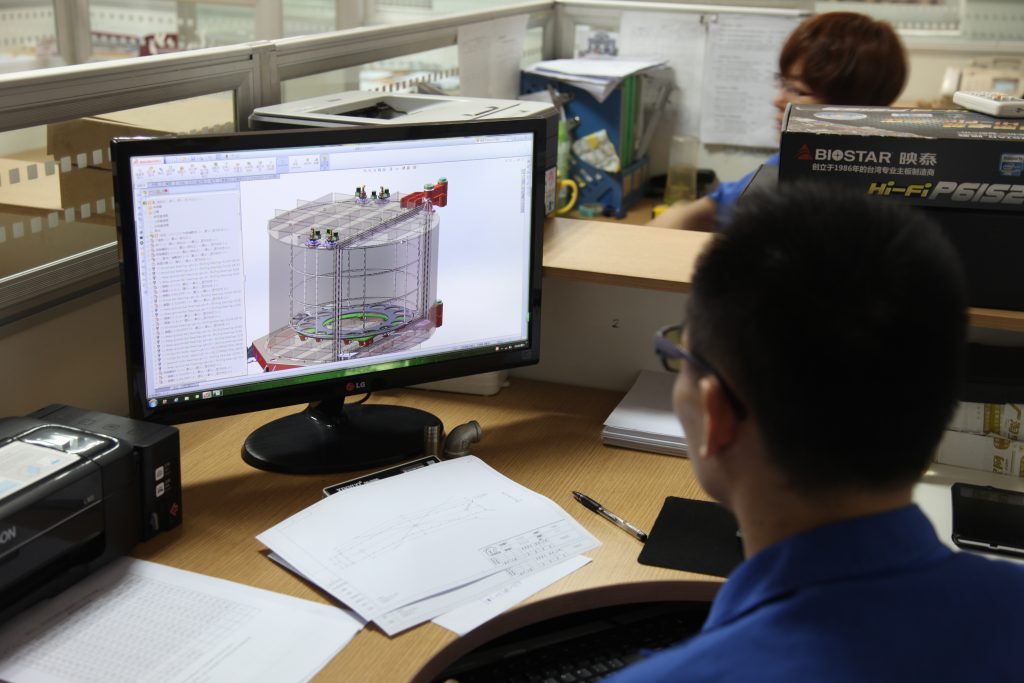
Selecting the right PVD equipment partner is as crucial as understanding the technology. A reliable manufacturer ensures your vacuum coating machine delivers consistent, repeatable results. When comparing suppliers, assess their technical expertise and ability to customize solutions for your needs. Additionally, choosing PVD metal coatings offers notable environmental benefits. PVD processes generate minimal waste, avoid harmful chemicals, and have lower emissions compared to traditional coating methods, making them an eco-friendly choice for many industries.
Choose a manufacturer with deep knowledge in high purity coatings and precise film thickness control. Equipment versatility is essential for handling various materials and processes. Foxin, experienced in multi-arc and sputtering systems, offers tailored solutions for diverse production goals.
Key criteria:
- Technical Support: Do they provide installation, training, and ongoing maintenance?
- Proven Track Record: Can they share case studies or industry testimonials?
- Customization Capability: Can they design equipment for your specific applications?
Conclusion
Optimize your coating solutions with advanced PVD metal processes for superior performance and longevity. Methods like Multi-Arc Ion Plating and RF Sputtering help you make informed decisions and enhance manufacturing. Proper metal selection, including options like tin, and surface preparation ensure durable, high-quality coatings. As PVD technology grows, choosing a reliable equipment manufacturer is essential.
For customized solutions, contact us for a quote and upgrade your coating operations with cutting-edge technology.
FAQ
What types of metals are suitable for PVD coating?
Many metals can be used as substrates for PVD coating, including precious metals such as brass, copper, and aluminum. Stainless steel and titanium are preferred for their durability, while these metals can also be coated to improve surface properties and appearance.
Why Are Sputtering Targets Important?
Sputtering targets, such as zinc oxide, are the source material for the coating. Their purity and quality directly impact the final film’s performance. High-quality targets ensure a stable deposition rate and a clean, defect-free coating, which is crucial for high-tech applications.
How Durable Is a PVD Metal Coating Compared to Alternatives?
PVD coatings are significantly more durable than traditional methods like electroplating or painting. The hard coatings created through PVD offer superior resistance to scratches, wear, and oxidation, ensuring the finish and function last much longer without chipping or fading compared to chrome finishes.